
Journalists in Nigeria, especially those working in the Federal Capital Territory (FCT), have been encouraged to use collective bargaining and union activities to improve their working conditions.
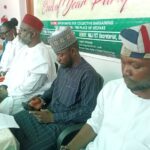
This advice was given by Ambassador Angonimi David-Umeh, Founder of Hope Raisers Global Foundation, during the Nigeria Union of Journalists (NUJ) FCT Correspondents’ Chapel End-of-Year Party in Abuja.
- Consistency the key to Man City title charge — Guardiola
- Draw for 2026 World Cup kind to favorites as Trump takes center stage
The event had the theme: “Opportunities for Collective Bargaining and Unionization: The Place of Welfare.”
Ambassador Umeh explained that workers’ welfare is central to both collective bargaining and unionism. She said collective bargaining simply means organized discussions between workers and employers to ensure fairness and better working conditions — not fighting or agitation.
She compared collective bargaining to going to the market as a group instead of going alone. When workers come together, their demands carry more weight. Through collective bargaining, workers can negotiate for better pay, safer working conditions, health insurance, leave benefits, training, and career development. Unionism is the structure that helps make these conversations possible.
She added that welfare is not something extra, but something essential. Workers perform better when they feel secure, have stable families, receive health support, have the tools they need, and are not stressed or threatened. When welfare improves, organizations grow. When welfare is ignored, organizations lose good workers.
Ambassador Umeh also gave examples of successful collective bargaining in Nigeria. She noted that ASUU has been negotiating with the government for years on university funding, salaries, better teaching facilities, and university autonomy. Although strikes can be difficult, she said these actions help keep attention on problems in the education sector.
She added that the Nigerian Labour Congress (NLC) fought for the ₦30,000 minimum wage through advocacy, strikes, policy discussions, and strong unity among workers. She also mentioned the Nigerian Medical Association (NMA), which has negotiated for hazard allowances, better equipment, insurance, and training funds for doctors — all of which improve healthcare in Nigeria.
Umeh said that when journalists negotiate as a group, they can gain better financial stability, emotional safety, dignity, and stronger media organizations.
Speaking at the event, the NUJ FCT Council Chair, Comrade Grace Ike (represented by her Vice Chairman, Comrade Yahaya Ndambabo), said the gathering was not only a party but also a time to reflect and renew commitment to the values that unite journalists.
She said this year’s theme reminds journalists of their shared responsibility to protect their welfare and dignity. She praised the Correspondents’ Chapel for maintaining high professional standards. She noted that journalists’ daily efforts shape national conversations.
However, she stressed that journalists can only excel when their welfare is taken seriously. She said stronger unionism, advocacy, and collective bargaining are needed to achieve better working conditions, defend press freedom, and ensure safety in the media space. She encouraged journalists to continue working together for the good of the profession.
Earlier, the Chairman of the NUJ FCT Correspondents’ Chapel, Mr. Felix Ojo, said the Chapel is likely the largest gathering of journalists in the FCT and possibly in Nigeria. It brings together reporters from all 36 states, representing different media organisations.
He said the Chapel was created to support press freedom and to provide a space for sharing information and open debate.
Mr. Ojo listed some achievements of the Chapel, including:
- A Health Awareness and Social Welfare Seminar in May
- A conflict resolution lecture supported by Still Waters Foundation in August
- A media workshop on safe blood supply sponsored by the National Blood Service Agency in September
He noted that despite journalists’ huge responsibilities — informing, educating, protecting citizens’ rights, and entertaining the public — they are often left out of welfare benefits.
He said journalists depend on donations and collaborations to carry out their duties, which is not sustainable. He urged the government to address the problems affecting the media’s ability to serve the public effectively.
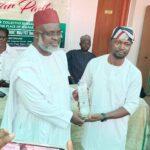
The event ended with the presentation of certificates and awards to deserving individuals.